UAE Summer Safety
Keeping crews cool when you can’t install permanent AC
Summer temperatures on UAE construction sites regularly push past 45°C, and humidity along the coast can make it feel worse. Most sites are temporary by nature, so bolting in permanent cooling isn’t practical. The good news: you can still keep workers safe, productive and reasonably comfortable using portable equipment, smart scheduling and a few habits that cost almost nothing.
Five things that actually keep site workers cool
- Portable evaporative coolers and misting fans placed at rest stations, welfare cabins and semi-enclosed work zones.
- Shaded rest shelters with reflective roofing, positioned within a short walk of active work areas.
- Structured hydration: cold water, electrolyte drinks and a schedule that forces breaks before workers ask.
- Compliance with the UAE Midday Break (typically 12:30 to 15:00 from 15 June to 15 September) and reworked shift timings around it.
- A written heat stress response plan that every foreman, first aider and worker can explain in one minute.
Point 1
Portable cooling that moves with the work
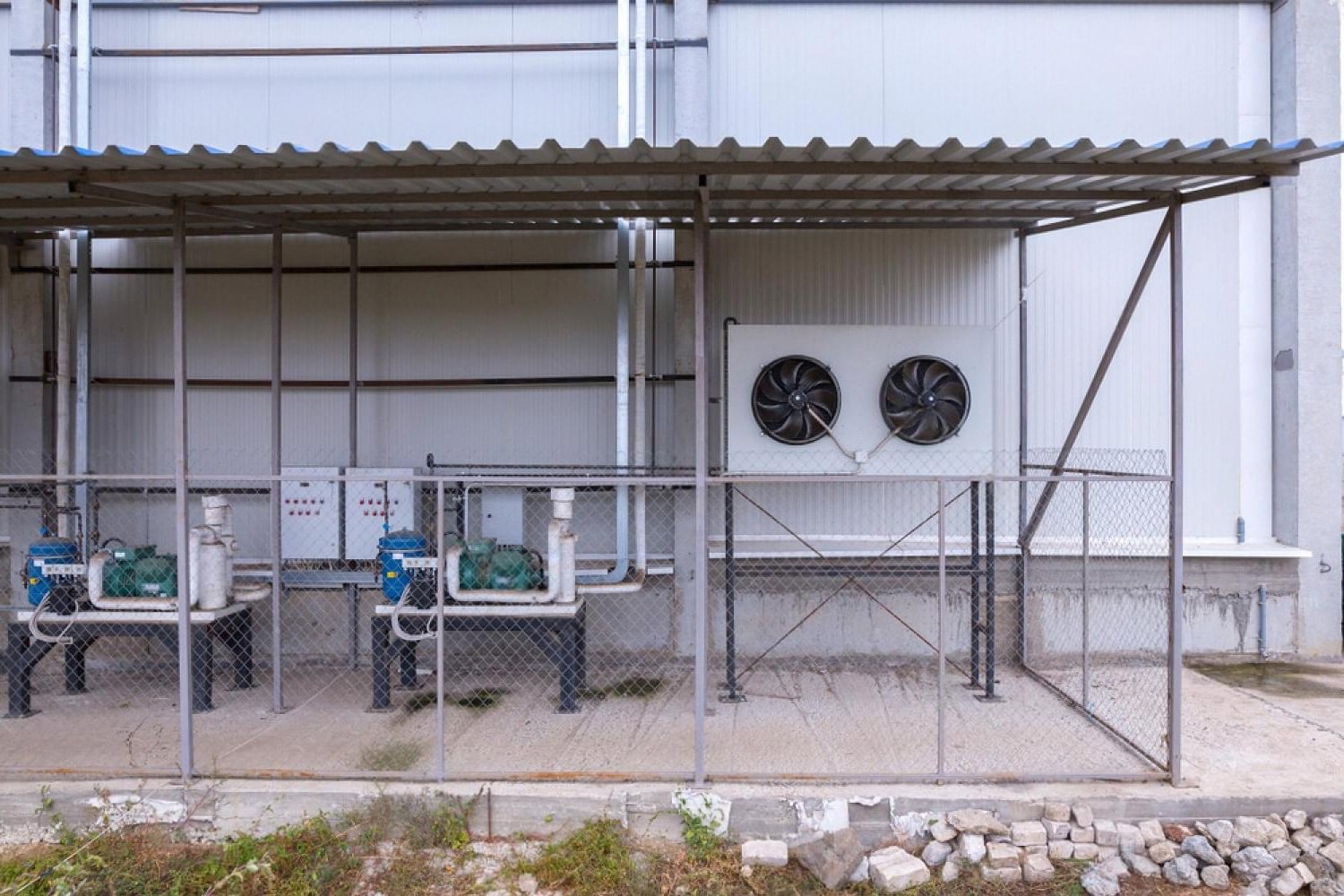
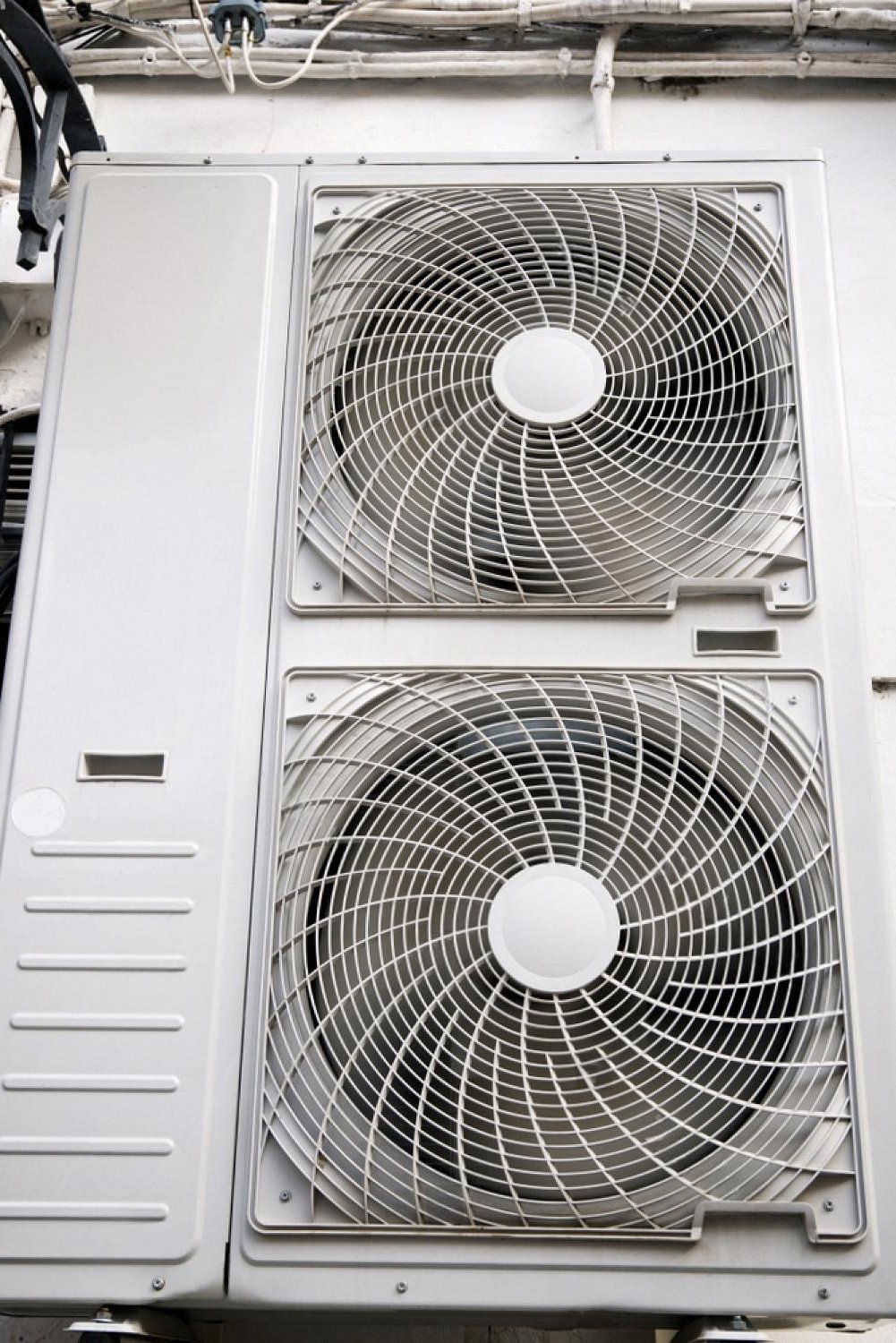
Permanent split systems only make sense in fixed offices. For everything else, portable equipment does the job without the wiring, ducting and civil work. Evaporative (swamp) coolers work well in Abu Dhabi’s drier inland zones and inside partly open structures. In humid coastal Dubai and Sharjah, spot air conditioners, packaged units and misting fans usually perform better because evaporative cooling loses efficiency once relative humidity climbs above roughly 60%.
Renting is almost always the right call for temporary sites. You get the correct capacity for the phase you’re in, service is included, and units move between projects. Companies offering air coolers for rent dubai can typically deliver within a day and swap sizes if your headcount grows.
Point 2: Shade and rest areas that workers will actually use
A rest shelter only helps if people walk to it. Position them within 50 metres of active work, use insulated or double-skinned roofing, and orient the open side away from direct sun in the afternoon. Add benches, cold water points and, ideally, a portable cooler blowing across the seating area. Rubber matting on the floor keeps dust down and stops radiant heat rising from concrete.
The UAE Ministry of Human Resources and Emiratisation requires shaded rest areas with drinking water on all outdoor sites during summer. Meeting that requirement is the floor, not the ceiling. Sites that add a fan, a small cooler and cold isotonic drinks see fewer heat incidents and shorter unofficial breaks, because workers cool down properly the first time instead of drifting off repeatedly.
Point 3: Hydration that doesn’t rely on willpower
Thirst is a late signal. By the time a worker asks for water, they are already mildly dehydrated. A construction worker in UAE summer conditions can lose 1 to 1.5 litres of sweat per hour, so build hydration into the routine rather than leaving it to individuals.
- Water within 20 metres of every work area, refilled at least twice per shift and kept in shade.
- Scheduled water breaks every 30 to 45 minutes during peak heat, called by the foreman.
- Electrolyte sachets or oral rehydration salts available at the welfare cabin, especially for workers doing heavy lifting or wearing full PPE.
- Avoid ice-cold water straight from a freezer: cool (10 to 15°C) water is absorbed faster and is less likely to cause cramps.
Point 4
Recognising heat stress before it becomes heat stroke
Heat exhaustion looks like heavy sweating, dizziness, nausea, headache, weakness and cool clammy skin. The worker is still sweating and still conscious. Move them to a shaded, cooled area, loosen clothing, give small sips of cool water or an oral rehydration solution, and cool the neck, armpits and groin with wet cloths. Recovery should begin within 30 minutes. If it doesn’t, escalate.
Heat stroke is a medical emergency. Signs include confusion, slurred speech, hot dry skin (sweating may have stopped), a body temperature above 40°C, seizures or loss of consciousness. Call 998 immediately, move the person into shade, remove excess clothing, and cool aggressively with water, ice packs or fanning. According to the World Health Organizationrapid cooling in the first hour is the single biggest factor in survival.
Choosing the right temporary cooling for your site
Different site conditions need different equipment. A tower crane operator’s cabin, a rebar workshop under a tin roof and a welfare tent for 80 workers each have their own thermal problem. Match the equipment to the space rather than buying whatever is on sale.
Semi-open work zones
Large industrial evaporative coolers or misting fans. High airflow, low running cost. Best in dry inland conditions.
Enclosed cabins and offices
Portable spot ACs or packaged units with a flexible duct. Sealed spaces let refrigerant cooling do its job efficiently.
Welfare tents and rest areas
Mid-size evaporative coolers combined with insulated tent liners. Aim for air changes, not just cold air.
“The cheapest cooling upgrade on most UAE sites is not new equipment. It’s moving the cooler two metres closer to where the crew actually stands.”
Warning: Ignoring the UAE Midday Break rule (15 June to 15 September, 12:30 to 15:00) can trigger fines of AED 5,000 per worker, capped at AED 50,000 per site. More importantly, working through peak heat is when almost all serious heat stroke cases happen. Reschedule heavy tasks to early morning and late afternoon, and use the break window for indoor prep work only.
UAE Ministry of Human Resources and Emiratisation
Frequently asked questions
What is the UAE Midday Break rule and does it apply to my site?
The Midday Break, enforced by the Ministry of Human Resources and Emiratisation, prohibits outdoor work between 12:30 and 15:00 from 15 June to 15 September each year. It applies to all workers exposed to direct sunlight or working in open areas, across all emirates.
Some critical operations (such as continuous concrete pours or emergency utility work) may be exempt with prior approval, but the default assumption should be that your site stops outdoor work during those hours.
Are evaporative coolers effective in Dubai’s humidity?
Evaporative coolers work best when relative humidity is below about 60%. In Dubai and other coastal areas, summer humidity often exceeds that, especially in the morning and evening, which reduces their cooling effect.
For humid coastal sites, portable refrigerant-based spot coolers or packaged AC units usually perform better in enclosed spaces. Evaporative coolers still add value in open or semi-open areas by moving large volumes of air, which helps sweat evaporate from the skin.
How much water should a construction worker drink in UAE summer?
A common guideline is 250 ml (about one cup) every 15 to 20 minutes during active work in high heat, which works out to roughly 1 litre per hour. Total intake across a shift can reach 6 to 8 litres for heavy manual work.
Plain water is fine for shorter tasks, but workers on long shifts or in full PPE should also get electrolytes to replace salts lost through sweat.
Is renting cooling equipment cheaper than buying for a construction project?
For projects lasting under two years, renting is almost always more economical. You avoid upfront capital cost, storage between projects, servicing, and the risk of buying the wrong capacity.
Rental contracts usually include delivery, installation, maintenance and replacement if a unit fails. That matters on a construction site, where downtime for a broken cooler in July is a real safety issue, not just a comfort one.
What should a supervisor do first if a worker collapses from heat?
Call 998 immediately if the worker is confused, unconscious, has stopped sweating or has hot dry skin. These are signs of heat stroke, which is life-threatening.
While waiting for the ambulance, move the person into shade, remove excess clothing and PPE, and cool them aggressively: wet the skin, apply ice packs to the neck, armpits and groin, and fan them. Do not give fluids if they are not fully conscious.
How many rest shelters does a site need?
There is no single national number, but a practical benchmark is one shaded rest area per 25 to 30 workers, positioned so no one is more than 50 metres from a shelter. On large sites, spread smaller shelters across zones rather than building one big cabin far away.
Each shelter should have seating, drinking water, and ideally a cooling unit or fan running during working hours.
Can we use the same cooling setup for a labour accommodation and a construction site?
No. Labour accommodations are enclosed, occupied 24 hours a day, and typically use fixed split ACs sized for the room volume. Construction sites are open, dusty and phase-based, which suits portable evaporative coolers, misting fans and mobile spot ACs that can be moved as work progresses.
Trying to use domestic-style AC on a dusty active site usually ends with clogged filters and failed compressors within weeks.

Baseball fan, maker, hiphop head, vintage furniture lover and collaborator. Acting at the fulcrum of aesthetics and function to create great work for living breathing human beings. Check me out on Dribbble or Medium.